Why We Keep Scrolling (And How I Finally Stopped)

Last Tuesday, I caught myself. It was 3:27 PM, and I’d picked up my phone for the 14th time that hour. Not for anything specific—just to scroll. The same motion, over and over. It wasn’t making me happy. It certainly wasn’t making me productive. But there I was again, thumb moving almost by itself.
Sound familiar? I’m not here to lecture you about digital detox or tell you phones are bad. I’m a digital worker just like you. I need my devices. But I also needed to understand why this habit was so hard to break, and find some practical ways to get control back.
What’s Actually Happening
When I finally paid attention to my scrolling habit, I noticed something: I wasn’t doing it when I was deeply engaged in work. I was doing it during transitions—after finishing a task, when stuck on a problem, or when feeling a bit tired. The scroll had become my default “in between” activity. Quick, easy, sometimes interesting. But those small moments add up. I calculated roughly 90 minutes of my day disappearing into what I call “half-attention” mode—not fully present in either work or rest.
This isn’t about guilt. It’s about being aware of a pattern that wasn’t serving me well.
Why We’re All Stuck in the Loop
We don’t need to dive into complex neuroscience to understand why scrolling is so sticky. Here’s what I’ve observed in my own behavior:
There’s always something new. Unlike a book or magazine that ends, feeds are literally designed to be infinite. There’s no natural stopping point that signals “you’re done now.” It fills small gaps perfectly. Three minutes between meetings? Not enough time to start a new task, but plenty of time to check what’s happening online. It requires almost no energy. After focusing hard on work, our brains crave something effortless. Scrolling is the path of least resistance.
The content is unpredictable. Sometimes what we see is boring, sometimes it’s fascinating. This unpredictability actually makes the behavior more likely to stick, not less. It’s like a mini-lottery where the next swipe might deliver something great.
In my case, I noticed I was most likely to fall into heavy scrolling after completing something difficult. It was like my brain’s way of saying “I deserve a break” – but the break never seemed to end neatly.
Read this article too: Is It ADHD or Just Social Media Overload? My Experience with Digital Focus Issues
Small Changes That Made a Difference
I didn’t delete my apps or lock my phone away. Instead, I made smaller, sustainable changes:
1. The “What Next?” note
I put a sticky note on my desk with 3 specific activities for transition moments. When I catch the urge to scroll, I pick one instead: 30 seconds of stretching, looking out the window at the furthest point I can see, or closing my eyes while focusing on my breath. Having predefined alternatives removes the need to think about what else I could do. The options are right there in front of me.
2. Phone position change
Simply placing my phone screen-down and slightly out of reach added just enough friction to break the automatic grab. For the first week, this was surprisingly effective – I’d reach for it, not find it in its usual spot, and that split second was enough to make me aware of what I was doing. For desk work, I started keeping my phone in a drawer. Not locked away, just not visible. Out of sight really does help keep it out of mind.
3. The 10-minute rule
When I genuinely want to check social media, I do. But I set a 10-minute timer. This isn’t about restriction—it’s about intention. What surprised me was how often 10 minutes felt completely sufficient. Without the timer, I might have continued for 30+ minutes without realizing it.
4. The scroll replacement
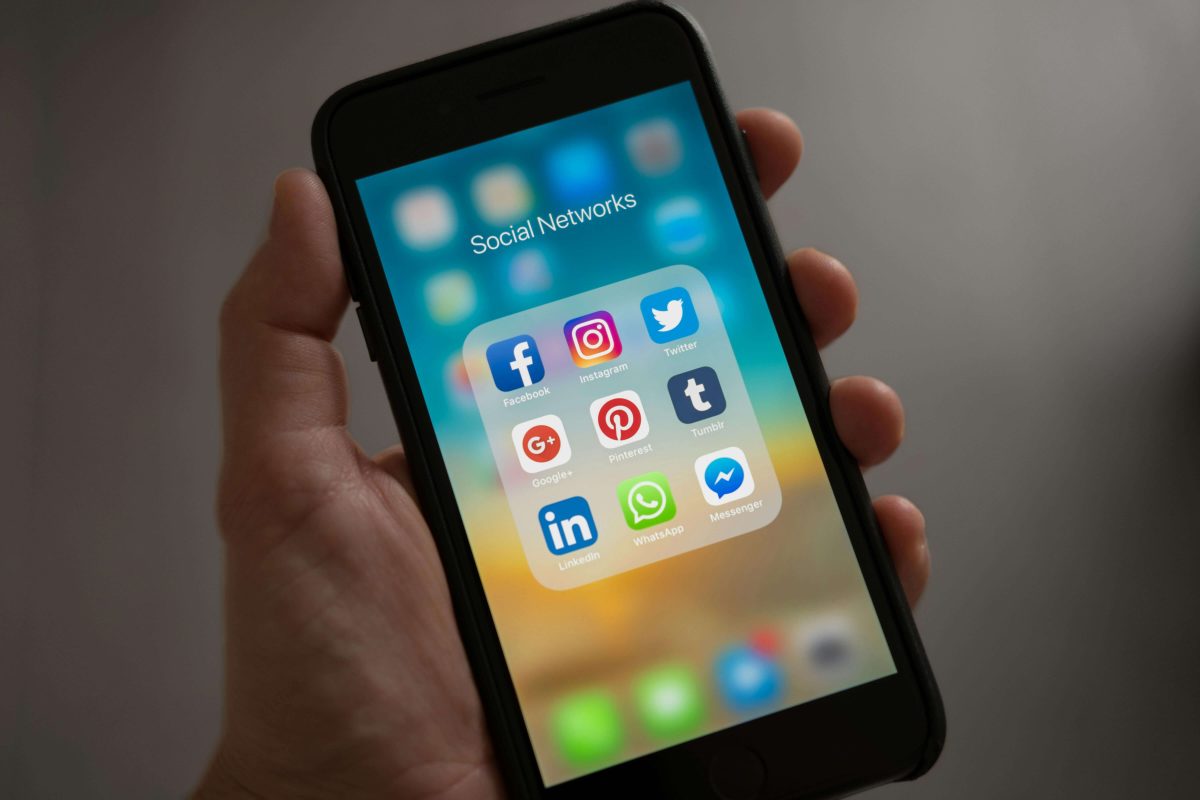
For each app I was likely to mindlessly open, I placed a more useful app in its usual position on my home screen. Weather instead of Facebook. Notes instead of Instagram. This created another moment of awareness – I’d tap the spot automatically, but get something different than expected. Another chance to catch myself.
What Actually Changed
After about three weeks of these small tweaks, I noticed several changes:
My attention span improved. I could sit with challenging work a bit longer before feeling the pull to check something else. I felt less mentally scattered. Without the constant context-switching between work and random content, my thoughts seemed clearer. I started noticing more details in my environment. This was unexpected. Looking up from screens more often meant I started noticing small changes in my workspace and surroundings.
I didn’t miss anything important. Despite checking feeds less often, I still caught the announcements and updates that actually mattered. Sleep came easier. Breaking the habit of last-thing-at-night scrolling meant my brain wasn’t buzzing with random information when trying to wind down.
When I Still Scroll (Because This Isn’t About Perfection)
I still use social media and news apps. I still scroll through feeds. The difference is that now I do it more intentionally. Specific times include: a 15-minute morning check of news and updates over coffee, lunch break browsing, and occasional evening relaxation time.
The key difference is that scrolling has become something I choose to do at specific times, rather than the default activity my hands do automatically whenever there’s a gap in attention.

Getting Started: A Simple Framework
If you’re looking to make similar changes, here’s a simple approach:
- Observation without judgment: For 2-3 days, just notice when you scroll. Don’t try to change anything yet. What triggers the behavior? What time of day is it most common?
- Define your key transitions: Identify 2-3 moments in your day when you’re most likely to fall into mindless scrolling. For me, it was after completing a task, between meetings, and right before bed.
- Create one alternative per transition: For each key moment, define one specific alternative action that takes about the same amount of time. Set boundaries, not bans: Rather than trying to eliminate scrolling entirely, give it a specific time and place in your day.
- Add a bit of friction: Make scrolling slightly less convenient. Put the phone farther away, log out of apps, or move icons to a different screen.
The goal isn’t to demonize technology or apps. It’s to regain choice about how we use them. What small change might you try this week? Sometimes the smallest adjustments create the biggest shifts in our digital habits.